
Business
3 Reasons Why a Cashless Society is Inevitable?
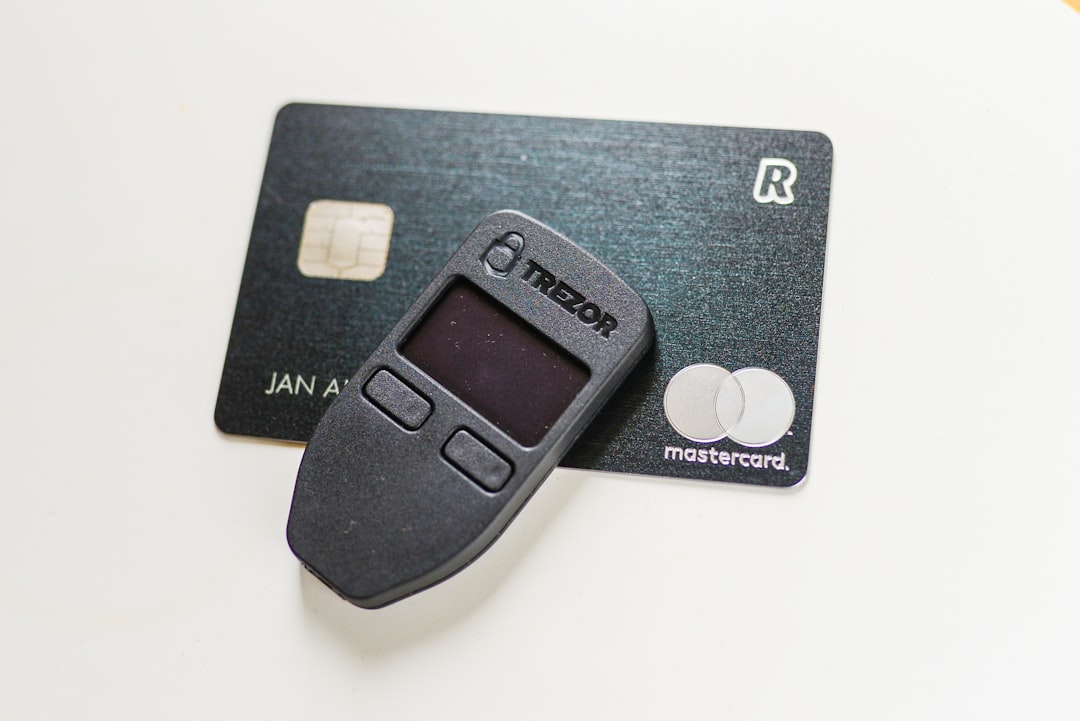
Imagine a world where your wallet is no longer stuffed with loose change or paper bills. Instead, all financial transactions happen digitally—quick, seamless, and secure. This vision isn’t a futuristic fantasy anymore; it’s rapidly becoming our reality. The move toward a cashless society is picking up speed globally, driven by technological, economic, and social forces. Below are three compelling reasons why the shift to a cash-free world is not just likely, but inevitable.
1. Technological Advancements in Digital Payment Systems
Over the last decade, the evolution of digital payment technologies has been nothing short of revolutionary. From contactless cards and mobile payments to blockchain and cryptocurrencies, the array of options available today significantly reduces our reliance on physical cash.
Mobile wallets like Apple Pay, Google Pay, and Samsung Pay allow people to pay for goods and services with just a tap of their phone. Meanwhile, fintech startups are introducing flexible, user-friendly services that traditional banks are racing to match.
Moreover, the rise of biometric authentication methods like facial recognition and fingerprint scanning adds an extra layer of security, making digital transactions not only easier but also safer.
[ai-img]mobile payments, digital wallet, phone scanning, technology[/ai-img]
As transaction speeds improve and new technologies like 5G enhance connectivity, digital payments will become even more convenient and accessible—further pushing cash to the fringes of everyday use.
2. Increasing Government Support and Regulation
Governments around the world are actively encouraging the transition to a cashless economy for several key reasons.
- Regulation and Transparency: Digital transactions leave a trail, making it easier for governments to monitor economic activity, reduce money laundering, and crack down on black-market economies.
- Cost Efficiency: Maintaining and printing cash is expensive. By reducing the need for physical currency, governments can cut down on associated logistical and administrative costs.
- Financial Inclusion: In regions where banking infrastructure is limited, digital payments provide opportunities for underserved populations to access financial services through mobile devices.
Countries like Sweden are already far along this path. Less than 10% of all transactions in Sweden are conducted with cash, and many businesses no longer even accept it. Likewise, India’s demonetization efforts and investment in the “Digital India” initiative indicate strong governmental will to lessen cash dependence.
[ai-img]government policy, economic data, digital economy, financial regulation[/ai-img]
With central banks exploring or implementing Central Bank Digital Currencies (CBDCs), the formal backing of digital money is only getting stronger—cementing the inevitability of a cashless future.
3. Shifts in Consumer Behavior and Expectations
Modern consumers, especially younger generations, value speed, convenience, and integration. They are more likely to use apps for budgeting, making purchases, and splitting bills, rather than rely on traditional cash-based methods. The COVID-19 pandemic only accelerated this shift as people consciously avoided physical currency due to hygiene concerns.
Digital payments also allow for hyper-personalized experiences. Imagine receiving tailored discounts the moment you enter a store or managing all your expenses in real time via your smartphone. These benefits are simply unattainable in a cash-based framework.
As people become more accustomed to tech-driven lifestyles, the friction of handling cash starts to feel more like an inconvenience than a preference. This cultural transformation is one of the strongest long-term indicators that physical currency is becoming obsolete.
Conclusion: The Road to a Cashless Society
While there may still be hurdles—such as privacy concerns, cybersecurity risks, and the need for digital infrastructure in rural areas—the overarching trend is clear. The convergence of technological innovation, policy support, and changing consumer behavior is driving us toward a world where cash is increasingly irrelevant.
In this evolving landscape, embracing digital payments is not just an option—it’s a necessity. Whether it’s through your smartphone, smartwatch, or even biometric ID, the future of money is contactless, transparent, and entirely digital.
Get ready: the cashless society isn’t coming—it’s already here.
