

Business
From screen to store: How summer TV shows drove merch sales

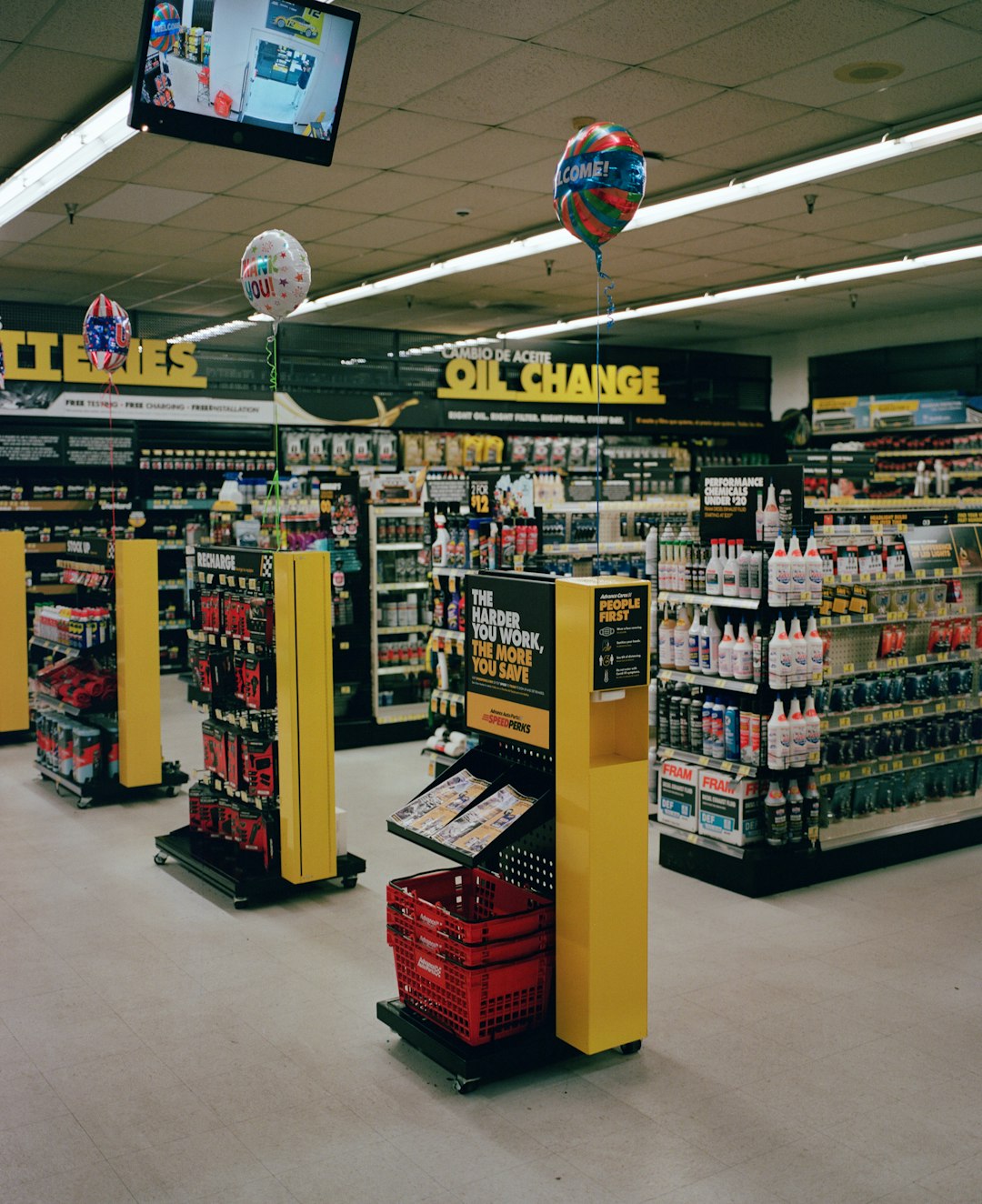
This summer, television screens didn’t just captivate audiences; they opened a direct gateway to retail success. With entertainment consumption reaching new highs during the warmer months, studios and networks have been quick to bridge the gap between viewership and consumerism. The result? A significant surge in merchandise sales directly linked to popular summer TV shows.
The rise of entertainment-led consumerism
In recent years, the entertainment industry has moved beyond offering just passive content to viewers. As fan culture continues to evolve, shows aren’t just watched — they’re experienced. This transformation has resulted in highly engaged fan bases, ready to invest in physical products that allow them to hold onto pieces of their favorite storylines.
Streaming platforms and broadcast networks strategically leverage these trends by timing merchandise rollouts to coincide with mid-season peaks and finales. Research by the Entertainment Retail Association (ERA) found that more than 35% of consumers who watched a series weekly were likely to consider merchandise purchases—ranging from apparel and collectibles to video games and home décor.
[ai-img]tv merchandise, summer tv shows, fans shopping[/ai-img]
Standout examples from summer programming
This summer offered a clear case study of the “screen to store” effect. Several shows dominated both viewership ratings and retail markets:
- “Stranger Realms” – A sci-fi thriller that drew record streaming numbers in July. Following its second-season premiere, the show’s retro-inspired graphic tees and collectible figures sold out in days.
- “The Newport Coven” – This supernatural drama launched a line of crystal accessories, candles, and spell-themed journals through an exclusive online partnership. The tie-in products contributed to a 48% increase in total web traffic for its parent platform.
- “Camp Brookside” – A youth mystery series whose character-themed backpacks, water bottles, and outdoor gear became summer camp staples across North America.
What’s notable is how these shows didn’t rely solely on logo branding. Visual cues, memorable quotes, and stylized designs rooted in each world’s lore helped boost product desirability — a subtle yet powerful way to attract consumers beyond the core fan base.
The role of licensing and partnerships
Merchandise profitability increasingly hinges on strategic licensing deals and timely production cycles. According to industry insiders, many studios now plan their merchandising calendars as early as 18 months before a series premiere. This forward-looking approach ensures that products drop when fan engagement is at its peak.
Retailers — both digital and brick-and-mortar — are equally invested in these partnerships. For example:
- Major retailers like Target and Hot Topic signed early seasonal exclusives with “Stranger Realms,” securing both apparel and back-to-school accessories.
- Streaming platforms created branded storefronts on their mobile apps, aligning product pushes with episode releases through push notifications and curated feeds.
[ai-img]storefront displays, tv brand merchandise, licensed products[/ai-img]
Social media as a purchasing engine
Another key factor in the merchandise boom was the role of social media. TikTok, Instagram, and YouTube served as critical platforms for fans to showcase hauls, style character-inspired outfits, and recreate moments from the screen using purchased goods.
Influencers and micro-celebrities capitalized on this trend by forging paid partnerships with brands tied to the shows. Hashtags such as #SummerDrop and #TVStyleEdit trended across platforms, amassing millions of views and driving direct click-throughs to purchase links.
What the data reveals
Data collected from retail analysts and entertainment marketing groups revealed the strong correlation between specific show climaxes and consumer buying behavior. Notably:
- Product sales typically spike within 48 hours of a new episode release.
- Limited-edition merchandise commands a 22-35% markup compared to standard lines.
- Content featured in cliffhangers or finale plot twists has a higher conversion-to-sale ratio than content from early episodes.
This insight is fueling even more collaborative planning between studio writers, merch teams, and marketing departments.
The road ahead
As consumer enthusiasm continues to surge in tandem with streaming growth, the trend shows no sign of slowing. With autumn programming just around the corner, retail watchers anticipate another round of product drops aligned with anticipated fan favorites. This screen-to-store model may well redefine how content creators monetize engagement far beyond the viewing experience.
Ultimately, summer television has proven that in the modern era of fandom, when cultural momentum and commerce align, the merchandise sells itself — one episode at a time.

