Technology
AI Search vs Traditional Search: Why Clicks Are Shrinking in 2026
AI search vs traditional search: Pew found clicks drop from 15% to 8% when an AI summary appears. See what this shift means for businesses now.
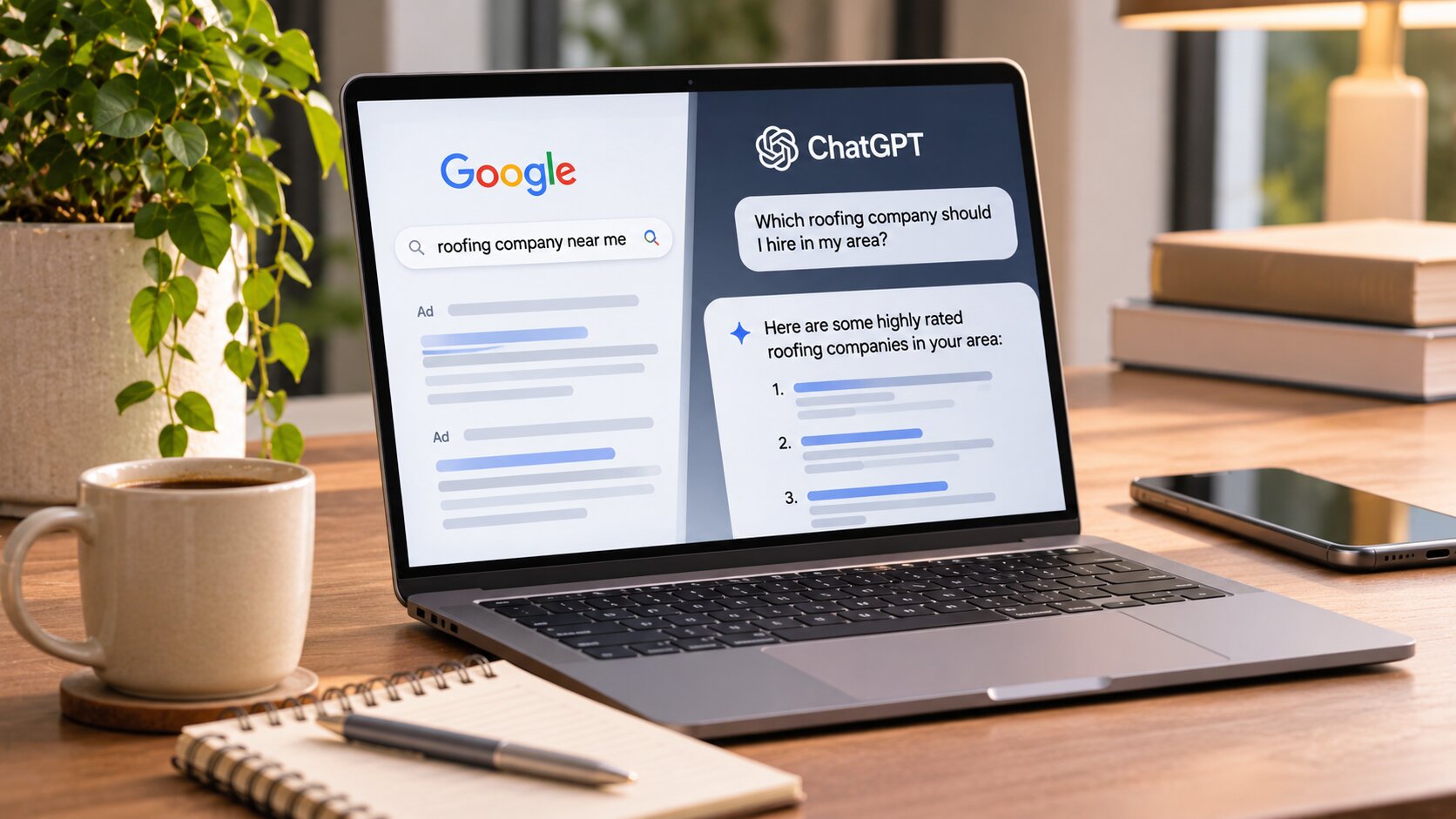
The contest between AI search vs traditional search is no longer a prediction. It shows up in click data, in marketing budgets and in the way customers phrase their questions. In 2026, a buyer is as likely to ask an AI assistant for a recommendation as to scroll a page of blue links.
This analysis looks at what is shifting and what it means for businesses, drawing on “Why Traditional SEO and Paid Ads Are Losing Ground to AI Search,” published by AI Authority Map on November 27, 2026.
The core answer: Traditional search returns a list of links for people to compare; AI search returns a direct answer that may name only a few businesses. Clicks drop when AI summaries appear, so businesses now need two kinds of visibility: rankings through SEO, and mentions in AI answers through Answer Engine Optimization (AEO).
AI Search vs Traditional Search: What Is the Difference?
Traditional search hands the user options. AI search hands the user a conclusion.
With a classic search engine, someone types a query, scans results and opens several websites to compare. With an AI assistant such as ChatGPT, Gemini or Claude, that same person can ask one full question, for example, “Which roofing company should I hire in my area?”, and get a short, written answer.
AI Authority Map reports that consumers increasingly use these assistants to research companies, compare services and discover businesses before buying. The browsing step that websites depended on is getting shorter, or disappearing.
What Does the Data Say About Clicks?
The clearest signal comes from a 2025 Pew Research Center study. It found that Google users clicked a traditional search result in just 8% of visits when an AI summary appeared, compared with 15% when no summary was present.
In the debate over AI search vs traditional search, this is the number that matters most. The presence of an AI summary was linked to roughly half as many clicks on standard results. That helps explain a pattern many site owners now see: rankings hold steady while traffic slides.
Why Are SEO and Paid Ads Losing Ground?
Neither channel is broken, but both face new pressure.
Organic search
AI Authority Map lists several reasons organic traffic can decline: more competition, changing rankings, AI-generated answers and shifts in customer behavior. Even a business with strong rankings can lose visits when people find enough information inside search results or AI responses.
Paid advertising
Paid ads face a separate set of problems: rising competition, higher advertising costs and declining conversion rates. Before spending more, AI Authority Map recommends confirming whether the real loss is in visibility, website visits or customer inquiries.
Is Traditional Search Going Away?
No. The more realistic future of AI search vs traditional search is a layered one. Google’s guide to optimizing for generative AI search says established SEO practices remain important for appearing in its AI-powered search experiences.
That means the skills behind traditional search still feed AI search. AI Authority Map describes AEO as an extension of a wider digital marketing strategy, not a replacement for SEO or paid advertising.
What Decides Who AI Search Recommends?
A strong reputation alone does not guarantee a mention. Decades of experience or excellent reviews only help if that information is discoverable and verifiable online.
AI Authority Map highlights five factors:
- Consistent business information across names, locations, contact details and service areas.
- Independent references from industry publications, professional organizations and reputable websites.
- Customer reputation built on genuine reviews.
- Original expertise that reflects real experience and answers customer questions.
- Website accessibility, so search systems can discover and interpret public information.
Different AI platforms retrieve and present information in different ways. Visibility on one does not automatically carry over to another.
How Can Businesses Prepare for an AI-First Search Future?
The source article lays out a practical path.
- Audit current visibility. Ask ChatGPT, Gemini and Claude real customer questions and record which businesses and sources appear. Repeat periodically, since a single answer is not a definitive measurement.
- Prioritize high-intent questions. Build service pages that explain what you offer, who you serve, where you operate and what customers can expect.
- Open the door to AI crawlers. OpenAI’s guidance for website publishers says allowing OAI-SearchBot to access your site helps make content discoverable for ChatGPT Search.
- Build a source of truth page. Gather company information, services, credentials and supporting evidence in one reliable place.
- Strengthen reputation. Publish original insights, keep listings accurate, encourage genuine feedback and pursue relevant recognition.
Technical health still underpins all of this, which is why a regular SEO site audit remains worth doing.
Will Website Traffic Still Matter?
It matters, but it tells less of the story. AI Authority Map recommends tracking qualified inquiries, conversion rates, customer acquisition costs and AI search mentions alongside traffic. Those measures show which channels contribute to real business growth when fewer people click through.
Key Takeaways
- Traditional search returns links to compare; AI search returns direct answers that may name only a few businesses.
- Pew Research Center found Google clicks on traditional results fell from 15% to 8% of visits when an AI summary appeared.
- Google says established SEO practices still matter for its AI-powered search features.
- AEO extends SEO and paid ads rather than replacing them.
- Measure qualified inquiries and AI mentions, not just traffic.
Frequently Asked Questions
What is the main difference between AI search and traditional search?
Traditional search shows a ranked list of links that users compare and click. AI search, through assistants like ChatGPT, Gemini and Claude, writes a direct answer that may recommend specific businesses. Users can get what they need without visiting a website, which changes how visibility is earned and measured.
Is AI search reducing website clicks?
Evidence suggests it can. A 2025 Pew Research Center study found that Google users clicked a traditional search result in 8% of visits when an AI summary appeared, compared with 15% when none appeared. That helps explain why steady rankings may no longer deliver the same traffic.
Will AI search replace SEO?
Not according to current guidance. Google says established SEO practices remain important for appearing in its AI-powered search experiences. AI Authority Map describes Answer Engine Optimization as an extension of SEO and paid advertising, so businesses should keep both while adding AI visibility checks.
How can a business tell if it appears in AI search?
Ask ChatGPT, Gemini and Claude questions your customers would ask, then note which businesses are named, which sources are cited and whether yours appears. Repeat the checks over time, because AI answers vary by platform, location, wording and the information available.
To explore how your business appears in AI-generated recommendations, visit AI Authority Map.